
Maximizing Small Bathrooms: Smart Design Solutions for Boston’s Compact Spaces
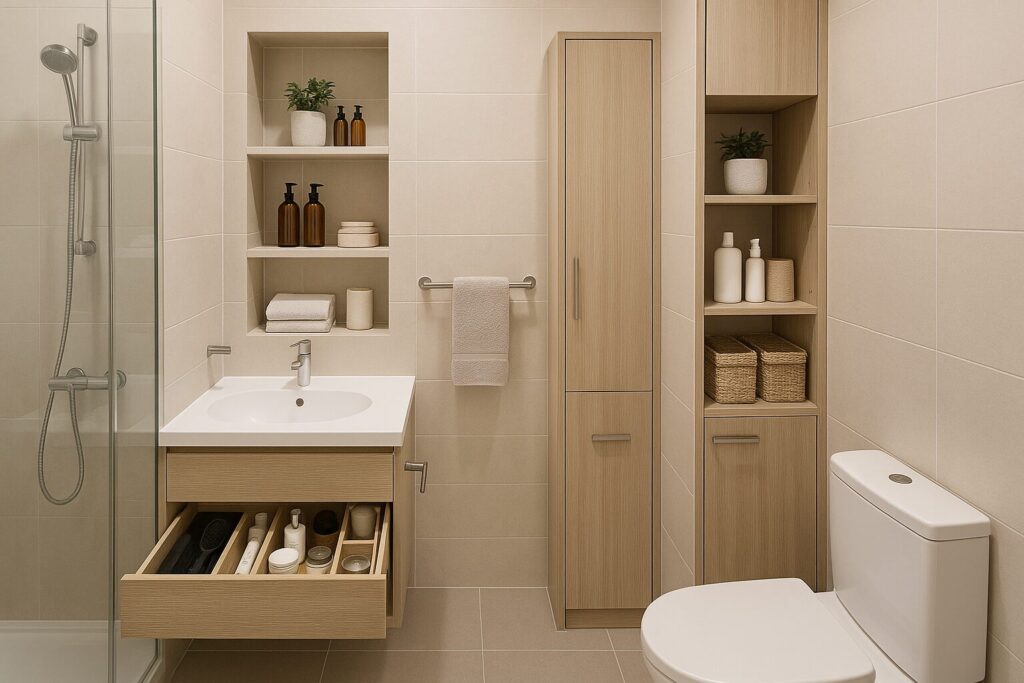
Maximizing Small Bathrooms: Smart Design Solutions for Boston’s Compact Spaces Introduction Transform your cramped bathroom into a functional, beautiful space that feels twice its actual size through strategic design choices and clever space optimization techniques. At Golden Hammer Remodeling, we encounter countless small bathrooms throughout Boston’s historic neighborhoods, from the narrow powder rooms of Back Bay brownstones to the compact bathrooms of Cambridge triple-deckers. These space constraints, common in homes built before modern bathroom standards, present unique challenges that require creative solutions and expert planning. However, our extensive experience renovating small bathrooms in Newton, Lexington, and throughout the Boston metro area has taught us that size limitations don’t have to mean sacrificing style, functionality, or comfort. The key lies in understanding how to maximize every square inch through strategic layout planning, smart storage solutions, and design techniques that create the illusion of spaciousness. With thoughtful planning and expert execution, even the smallest bathroom can become a beautiful, highly functional space that serves your family’s needs while adding significant value to your home. The most successful small bathroom renovations combine practical storage solutions with visual tricks that make spaces feel larger and more luxurious than their actual dimensions suggest. 1. Strategic Layout Optimization for Maximum Functionality The foundation of any successful small bathroom renovation lies in optimizing the layout to maximize both functionality and the perception of space. In Boston’s older homes, many bathrooms were designed when indoor plumbing was still relatively new, resulting in awkward layouts that don’t serve modern family needs effectively. Fixture placement represents the most critical aspect of small bathroom layout optimization. Traditional bathroom layouts often position fixtures without considering traffic flow or visual impact, but strategic repositioning can dramatically improve both functionality and spaciousness. At Golden Hammer Remodeling, we frequently recommend relocating toilets to corners or alcoves, which frees up central floor space and creates better traffic flow. This repositioning often allows for larger vanities or more comfortable shower access while maintaining all necessary clearances required by building codes. The shower versus bathtub decision significantly impacts small bathroom functionality and perceived size. While many homeowners assume they must sacrifice bathing options in small spaces, creative solutions can accommodate both preferences. Corner showers with neo-angle doors maximize floor space while providing comfortable showering areas. Alternatively, shower-tub combinations can work effectively when properly planned, particularly with sliding doors that don’t require swing clearance. For families who rarely use bathtubs, eliminating the tub entirely and installing a spacious walk-in shower can transform a cramped bathroom into a spa-like retreat. Vanity selection and positioning dramatically affect both storage capacity and visual flow in small bathrooms. Wall-mounted vanities create the illusion of more floor space by exposing flooring underneath, while also providing practical storage without overwhelming the room. The height and depth of vanities must be carefully considered – deeper vanities provide more storage but can make narrow bathrooms feel cramped, while shallower profiles maintain better traffic flow. Custom vanity solutions often provide the best balance of storage and space efficiency in challenging small bathroom layouts. 2. Storage Solutions That Don’t Compromise Style Effective storage represents one of the greatest challenges in small bathroom design, but innovative solutions can provide ample storage without cluttering the visual space or compromising the room’s aesthetic appeal. Vertical storage maximization takes advantage of often-underutilized wall space above eye level. Tall, narrow cabinets that extend toward the ceiling provide substantial storage for linens, toiletries, and cleaning supplies while maintaining a minimal footprint. Built-in niches within shower areas eliminate the need for bulky caddies while providing convenient storage for bathing essentials. These recessed storage areas can be beautifully finished with matching tile or contrasting materials that add visual interest without consuming precious floor space. Multi-functional fixtures serve double duty in small bathrooms where every element must justify its space consumption. Vanity mirrors with integrated storage compartments provide essential grooming space while concealing toiletries and medications. Medicine cabinets with interior electrical outlets accommodate electric toothbrushes and other small appliances without cluttering countertops. Toilet paper holders with integrated storage shelves, towel bars with built-in hooks, and shower fixtures with storage capabilities all contribute to a more organized, functional bathroom without adding visual clutter. Hidden storage opportunities exist throughout small bathrooms for homeowners willing to think creatively about space utilization. The area above doorways can accommodate narrow shelving for infrequently used items. Toe-kick drawers beneath vanities provide storage for flat items like scales or cleaning supplies. Behind-toilet storage units take advantage of otherwise wasted space while providing substantial storage capacity. These hidden storage solutions maintain clean sight lines while dramatically increasing the bathroom’s organizational capacity. 3. Visual Tricks That Create Spacious Illusions The perception of space often matters more than actual square footage in small bathroom design. Strategic use of color, lighting, and materials can make compact bathrooms feel significantly larger and more luxurious than their actual dimensions.Color psychology plays a crucial role in small bathroom design, with light colors reflecting more light and creating the illusion of expanded space. However, this doesn’t mean small bathrooms must be stark white. Soft, neutral tones like warm grays, pale blues, or creamy whites provide visual expansion while maintaining personality and warmth. Monochromatic color schemes, where walls, fixtures, and accessories share similar tones, create visual continuity that makes spaces feel larger. Strategic use of darker accent colors can add depth and interest without overwhelming the space when applied thoughtfully to single accent walls or design elements.Mirror placement and sizing dramatically impact perceived bathroom size, with properly positioned mirrors effectively doubling the visual space. Large mirrors that extend across entire vanity walls create the strongest expansion effect, while multiple mirrors can add visual interest while still providing spacious illusions. Mirrors positioned to reflect windows or light sources amplify natural light throughout the space. Mirrored cabinet doors serve dual purposes by providing storage while contributing to the room’s sense of spaciousness.Lighting design significantly affects how spacious small bathrooms feel, with layered lighting creating depth and eliminating shadows that can make spaces feel cramped.
Fall Remodeling in Boston: The Perfect Season to Transform Your Home Before Winter
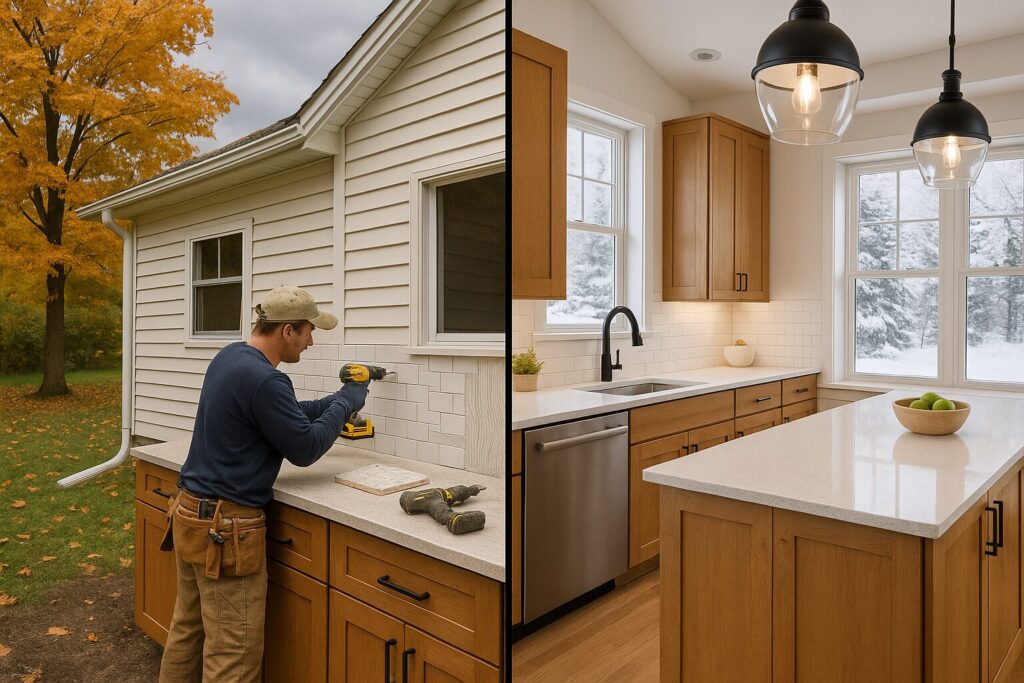
Creating Your Dream Spa Bathroom: Luxury Features That Transform Your Daily Routine Introduction Take advantage of fall’s ideal conditions and contractor availability to complete your kitchen or bathroom renovation before winter arrives, ensuring your family enjoys beautiful new spaces throughout the colder months. At Golden Hammer Remodeling, we’ve discovered that fall represents the optimal season for kitchen and bathroom renovations throughout Boston, Newton, and Lexington. While many homeowners postpone major remodeling projects until spring, our extensive experience in the Boston metro area has shown us that fall offers unique advantages that make it the perfect time to transform your home. The moderate temperatures, reduced humidity, and stable weather patterns of New England autumns create ideal conditions for interior renovations, while the approaching winter season provides strong motivation to complete projects before the holidays and cold weather arrive. Fall remodeling allows families to enjoy their beautiful new kitchens during holiday entertaining season and provides the comfort of updated bathrooms throughout the long New England winter. Additionally, contractors often have greater availability after the busy summer season, material deliveries proceed smoothly without weather delays, and completing projects in fall means your home is ready to showcase increased value when the spring real estate market becomes active. The strategic timing of fall renovations maximizes both immediate enjoyment and long-term investment returns. 1. Why Fall is the Ideal Season for Boston Remodeling Fall weather conditions in New England provide the perfect environment for interior renovation projects, offering stability and comfort that other seasons cannot match. The moderate temperatures and low humidity levels of autumn create optimal conditions for material installation, paint curing, and the detailed finish work that defines quality renovations. Temperature stability during fall months eliminates the extreme heat and humidity of summer that can complicate material installation and extend drying times for paints, stains, and adhesives. The comfortable working conditions of fall also mean that contractors can maintain consistent productivity without the heat-related slowdowns common during summer projects. Additionally, fall’s moderate temperatures allow for better ventilation during renovation work without the energy costs associated with heating or cooling that would be necessary during winter or summer projects. Contractor availability reaches optimal levels during fall as the busy summer construction season winds down and contractors have more flexibility in their schedules. At Golden Hammer Remodeling, we find that our fall clients often enjoy more personalized attention from our craftsmen and greater flexibility in project scheduling. This increased availability doesn’t mean compromising on quality – it means accessing our best teams when they can dedicate focused attention to your project without the scheduling pressures of peak season. Material delivery and storage become significantly easier during fall months when weather conditions are predictable and mild. Unlike summer’s thunderstorms or winter’s snow and ice, fall provides consistent conditions for receiving large deliveries like cabinets, countertops, and appliances. The stable weather also means materials can be stored on-site without concerns about extreme temperature fluctuations or moisture exposure that could affect quality. 2. Preparing for Holiday Entertaining and Winter Comfort Fall renovations provide the perfect timeline for completing kitchen and bathroom projects before the holiday entertaining season begins, ensuring your family can showcase beautiful new spaces when guests arrive for Thanksgiving, Christmas, and New Year celebrations. Kitchen renovations completed in fall allow homeowners to enjoy their new spaces during the season when kitchens see the most use. Holiday cooking and entertaining place significant demands on kitchen functionality, making fall the ideal time to upgrade appliances, increase counter space, and improve storage before the busy holiday season arrives. A newly renovated kitchen not only enhances holiday entertaining but also provides the improved functionality that makes extensive holiday cooking more enjoyable and efficient. Bathroom renovations finished before winter provide immediate comfort benefits during New England’s coldest months. Heated floors, improved lighting, and better ventilation systems installed during fall renovations provide maximum benefit throughout the winter season. Updated bathrooms also ensure that holiday guests experience the comfort and luxury of newly renovated spaces, adding to your home’s appeal during the social season. The psychological benefits of completing renovations before winter cannot be overstated. Having beautiful, functional new spaces ready before the long winter months provides a sense of accomplishment and comfort that enhances the entire winter experience. Families often report that new kitchens and bathrooms make winter months more enjoyable by providing beautiful, comfortable spaces for daily routines and family gatherings. 3. Strategic Advantages of Fall Project Timing Fall renovation timing provides strategic advantages that extend well beyond the immediate project completion, positioning homeowners for maximum enjoyment and investment returns throughout the following year.Cost considerations often favor fall renovations as contractors may offer competitive pricing to fill their schedules before the slower winter months. Material suppliers sometimes provide end-of-season promotions on appliances and fixtures, and the reduced competition for contractor services can result in more favorable project pricing. These potential savings can be substantial, particularly for larger kitchen and bathroom renovation projects.Project completion before winter eliminates the stress and inconvenience of living through renovations during the coldest, darkest months of the year. Fall completion means families can settle into their new spaces and establish comfortable routines before winter weather limits outdoor activities and increases time spent indoors. This timing also avoids the potential complications of winter weather affecting material deliveries or project schedules.Spring market preparation represents another significant advantage of fall renovation timing. Completing major improvements in fall means your home is ready to showcase increased value if you decide to sell during the active spring real estate market. Even if selling isn’t in your immediate plans, having renovations complete positions your home advantageously should circumstances change, while allowing you to enjoy the improvements throughout the winter and spring seasons. 4. Maximizing Your Fall Renovation Investment Strategic planning during fall renovations allows homeowners to incorporate improvements that provide immediate winter comfort while positioning their homes for increased enjoyment and value throughout the following year. Energy efficiency improvements integrated into fall renovations provide immediate benefits as heating season begins. Kitchen renovations
Creating Your Dream Spa Bathroom: Luxury Features That Transform Your Daily Routine
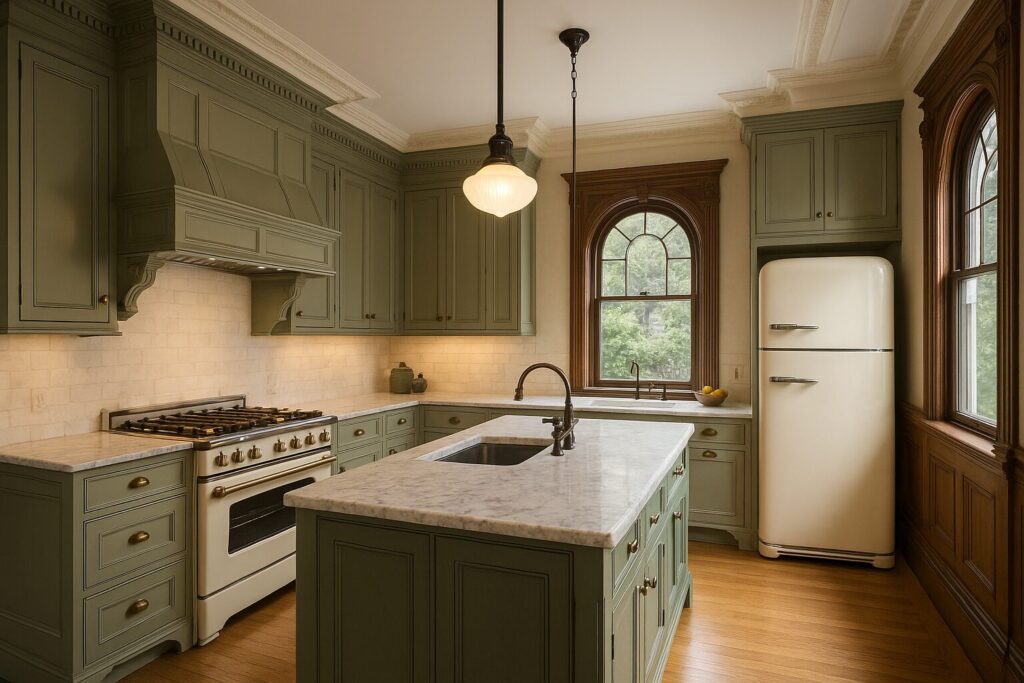
Creating Your Dream Spa Bathroom: Luxury Features That Transform Your Daily Routine Introduction Transform your everyday bathroom into a personal sanctuary where luxury meets functionality, creating a spa-like retreat in your own home. At Golden Hammer Remodeling, we believe your bathroom should be more than just a functional space—it should be your personal escape from the stresses of daily life. In today’s fast-paced world, homeowners throughout Boston, Newton, and Lexington are increasingly seeking ways to bring the luxury spa experience into their homes. A well-designed spa bathroom doesn’t just add value to your property; it transforms your daily routines into moments of relaxation and rejuvenation. From heated floors that welcome your feet on cold New England mornings to rainfall showers that wash away the day’s tensions, the right luxury features can completely revolutionize how you experience your home. Our expertise in creating these tranquil retreats has shown us that the most successful spa bathroom renovations combine thoughtful design with premium materials and cutting-edge technology, resulting in spaces that feel both indulgent and practical for everyday use. 1. The Foundation of Luxury: Premium Materials and Finishes Creating an authentic spa atmosphere begins with selecting materials that evoke tranquility and sophistication while standing up to the demands of daily use. The foundation of any luxury spa bathroom lies in the careful selection of premium materials that not only look stunning but also provide the durability and functionality essential for New England homes. Natural Stone: Timeless Elegance Natural stone remains the gold standard for luxury bathroom design, offering unparalleled beauty and longevity that synthetic materials simply cannot match. At Golden Hammer Remodeling, we frequently recommend Carrara marble for its classic veining and timeless appeal, particularly in traditional New England homes where its elegant patterns complement period architecture beautifully. For homeowners seeking something more dramatic, Calacatta marble provides bold, striking veining that creates a stunning focal point, while travertine offers a warmer, more organic feel that works exceptionally well in spa-inspired designs. The key to successful stone selection lies in understanding how different materials perform in bathroom environments. Marble, while gorgeous, requires proper sealing and maintenance to prevent etching from acidic products. Granite offers superior durability and stain resistance, making it an excellent choice for busy family bathrooms that still demand luxury aesthetics. Quartzite combines the beauty of natural stone with enhanced durability, providing the best of both worlds for homeowners who want stunning visuals without extensive maintenance requirements. Porcelain Perfection Modern porcelain tiles have revolutionized luxury bathroom design, offering the appearance of natural materials with superior performance characteristics. Large-format porcelain slabs can mimic the look of marble, wood, or even concrete, providing endless design possibilities while offering superior water resistance and easier maintenance than their natural counterparts. These materials are particularly well-suited to New England’s climate variations, as they won’t crack or shift with temperature changes like some natural stones might. Hardware and Fixtures The devil is truly in the details when it comes to luxury bathroom hardware. Premium fixtures in finishes like brushed gold, matte black, or polished nickel can elevate even the simplest design schemes. At Golden Hammer Remodeling, we source fixtures from renowned manufacturers who combine aesthetic excellence with engineering precision, ensuring that your beautiful bathroom also functions flawlessly for years to come. 2. The Ultimate Shower Experience: Rainfall and Beyond The shower experience often defines the luxury level of a spa bathroom, and modern shower technology offers incredible opportunities to create truly transformative daily rituals. Gone are the days when a simple showerhead sufficed for luxury bathroom design—today’s spa showers incorporate multiple water delivery systems, temperature controls, and even aromatherapy features to create an immersive sensory experience. Rainfall Showerheads: Nature Indoors Rainfall showerheads have become synonymous with luxury bathroom design, and for good reason. These oversized fixtures, typically measuring 8 to 12 inches in diameter, deliver water in a gentle, enveloping pattern that mimics natural rainfall. The psychological effect is immediate and profound—the wide, soft water coverage creates a sense of being embraced by warm rain, instantly triggering relaxation responses that help wash away stress and tension. When designing rainfall shower systems, positioning is crucial for optimal performance. The showerhead should be mounted directly overhead, typically 7 to 8 feet from the floor, ensuring that users can stand comfortably beneath the water flow without having to crane their necks or adjust their position. For taller family members, we often recommend adjustable mounting systems that can accommodate different heights while maintaining the luxurious overhead experience. Multi-Function Shower Systems The most luxurious spa showers incorporate multiple water delivery methods to create a truly customized experience. Body sprays positioned at various heights along the shower walls provide targeted massage therapy, helping to relieve muscle tension and improve circulation. These systems typically include 4 to 6 spray heads positioned strategically to target the neck, shoulders, back, and legs, creating a full-body hydrotherapy experience that rivals professional spa treatments. Handheld shower wands add versatility to the system, allowing users to direct water exactly where needed for thorough cleansing or targeted relief. Modern handheld units often include multiple spray patterns, from gentle mist to invigorating massage, providing options for different moods and needs throughout the day. Steam Showers: The Ultimate Indulgence Steam showers represent the pinnacle of home spa luxury, transforming your daily shower into a therapeutic steam room experience. These systems generate steam at temperatures between 100 and 120 degrees Fahrenheit, creating a humid environment that offers numerous health benefits including improved circulation, muscle relaxation, and respiratory relief—particularly beneficial during New England’s dry winter months. Installing a steam shower requires careful planning and specialized construction techniques. The shower enclosure must be completely sealed to contain the steam, with sloped ceilings to prevent condensation dripping. Proper ventilation systems are essential to manage humidity levels and prevent moisture damage to surrounding areas. At Golden Hammer Remodeling, we work with certified steam system installers to ensure these complex systems are properly integrated into your home’s existing infrastructure. Digital Controls and Smart Technology Modern shower systems increasingly incorporate digital
Open-Concept Kitchen Remodels: Balancing Flow and Function in New England Homes
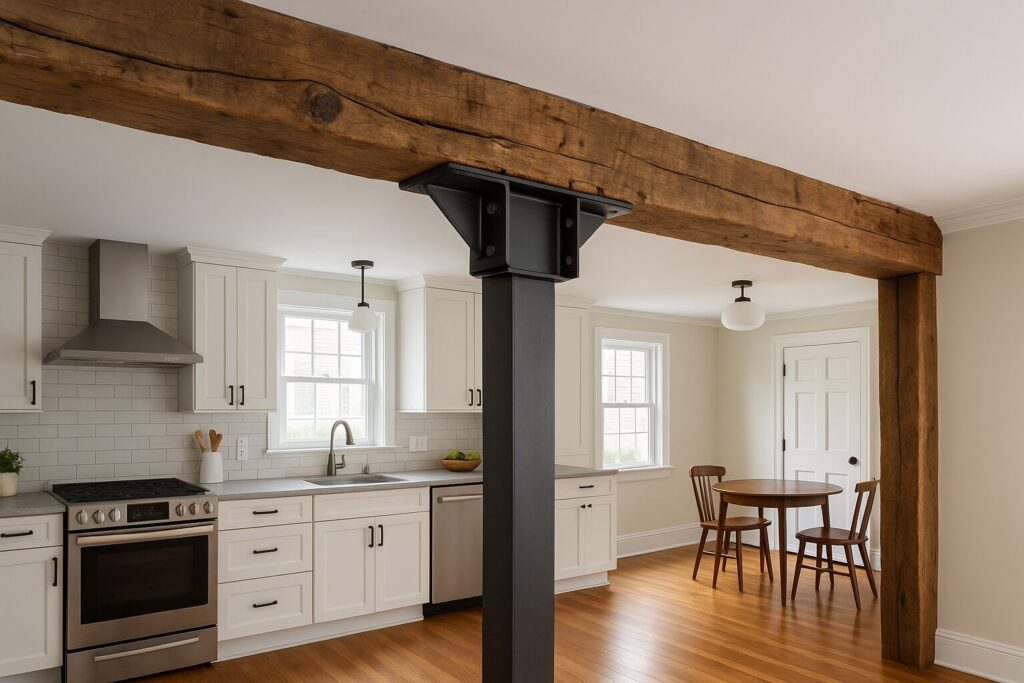
Open-Concept Kitchen Remodels: Balancing Flow and Function in New England Homes Introduction Transform your traditional New England home with an open-concept kitchen that honors architectural heritage while embracing modern living. At Golden Hammer Remodeling, we’ve helped countless homeowners in Lexington, Newton, and throughout the Boston metro area navigate the exciting challenge of creating open-concept kitchens in traditional New England homes. These classic homes, with their compartmentalized layouts and period details, weren’t originally designed for today’s open-living preferences. However, with thoughtful planning and expert execution, we can create flowing, functional spaces that respect your home’s architectural integrity while meeting your family’s modern lifestyle needs. The key lies in understanding how to remove walls safely, maintain structural integrity, and create seamless transitions that feel both spacious and intimate. By carefully balancing period authenticity with contemporary functionality, we create renovations that appeal to today’s buyers while respecting your home’s historic character. Opening up your kitchen isn’t just about removing walls—it’s about reimagining how your family lives, entertains, and connects in your home. When done correctly, an open-concept kitchen becomes the heart of your home, facilitating conversation and connection while maintaining the distinct zones necessary for efficient cooking and comfortable living. 1. Structural Considerations for New England Homes The centerpiece of most aging-in-place bathroom renovations is the conversion from a traditional tub-shower combination to a spacious walk-in shower. This transformation not only eliminates the barrier of stepping over a tub edge but also creates a more open, spa-like atmosphere that enhances the overall bathroom experience. At Golden Hammer Remodeling, we design walk-in showers with zero-threshold entries, allowing for seamless access that accommodates wheelchairs, walkers, or simply provides easier entry for anyone with mobility concerns. The key to successful implementation lies in proper floor preparation and drainage design. We typically install linear drains positioned along the back wall or create subtle floor slopes that direct water efficiently while maintaining a level entry point. Engineering Assessment At Golden Hammer Remodeling, we always begin with a thorough structural assessment by licensed engineers who specialize in historic New England construction. Traditional New England construction often includes center bearing walls that support floor joists above, and removing these walls requires installing beams or other structural supports. Post-and-Beam Advantages Post-and-beam construction, common in older New England homes, actually lends itself well to open-concept renovations. These homes were built with substantial structural timbers that often allow for more flexibility in wall removal than modern stick-frame construction. However, each home is unique, and proper engineering ensures your renovation is both safe and successful. Foundation Considerations Foundation considerations are particularly important in older homes where basement support systems may need modification. We often need to add support posts or modify basement areas to accommodate new structural loads. These modifications can usually be integrated seamlessly into your basement finishing plans. Code Compliance Working with local building codes and permit requirements is essential for open-concept renovations in Massachusetts. Building codes have specific requirements for structural modifications, beam sizing, and support systems. Our experience with local building departments throughout the Boston area ensures smooth permit approval and inspection processes. 2. Creating Defined Zones Within Open Spaces One of the biggest challenges in open-concept design is maintaining functional separation between cooking, dining, and living areas while preserving the sense of openness that makes these layouts so appealing. Successful zone definition requires strategic use of furniture, architectural elements, and design features that create boundaries without walls. Kitchen Islands as Natural Boundaries Kitchen islands serve as natural boundaries between cooking and living spaces while providing additional storage, seating, and work surface. At Golden Hammer Remodeling, we design islands that are proportional to your space—typically 4 to 6 feet long in most New England homes—and position them to facilitate traffic flow while defining the kitchen zone. Key island considerations include: • At least 42 inches of clearance on all sides for comfortable movement • 48 inches preferred for households with multiple cooks • Proportional sizing to the overall space • Strategic positioning to direct traffic flow Ceiling Treatments for Zone Definition Ceiling treatments can subtly define different areas without creating physical barriers: Coffered ceilings over dining areas Exposed beams over kitchens Tray ceilings in living spaces Different ceiling heights to define zones These treatments work particularly well in homes with 9-foot or higher ceilings, common in many New England colonials and Victorians. Flooring Transitions Flooring transitions can also define spaces effectively while maintaining visual flow. Hardwood in living and dining areas with tile or luxury vinyl in the kitchen creates practical boundaries while maintaining visual continuity. We often recommend using complementary materials that share color tones or design elements while serving different functional needs. 3. Maintaining Period Character in Modern Layouts New England homes are beloved for their architectural character, and successful open-concept renovations preserve and celebrate these historic details rather than eliminating them. The challenge lies in integrating period elements with modern functionality in ways that feel authentic and intentional. Preserving Original Millwork Original millwork, including door and window casings, baseboards, and crown molding, should be preserved and extended into newly opened spaces. At Golden Hammer Remodeling, we often salvage original trim pieces and have them replicated by skilled craftsmen to maintain consistency throughout the expanded space. Highlighting Structural Elements Exposed structural elements can become focal points rather than obstacles in open-concept designs: • Original hand-hewn beams • Brick chimneys • Stone foundations • Historic architectural details We often highlight these features with strategic lighting and complementary finishes that celebrate their craftsmanship. Window Configuration Solutions Window configurations in older homes can present challenges in open-concept designs, but they also provide opportunities for creative solutions. Mismatched window heights or styles can be unified through consistent trim treatments or interior shutters that create visual harmony while preserving original openings. Window Configuration Solutions Window configurations in older homes can present challenges in open-concept designs, but they also provide opportunities for creative solutions. Mismatched window heights or styles can be unified through consistent trim treatments or interior shutters that create
Designing an Aging-in-Place Bathroom Without Sacrificing Style
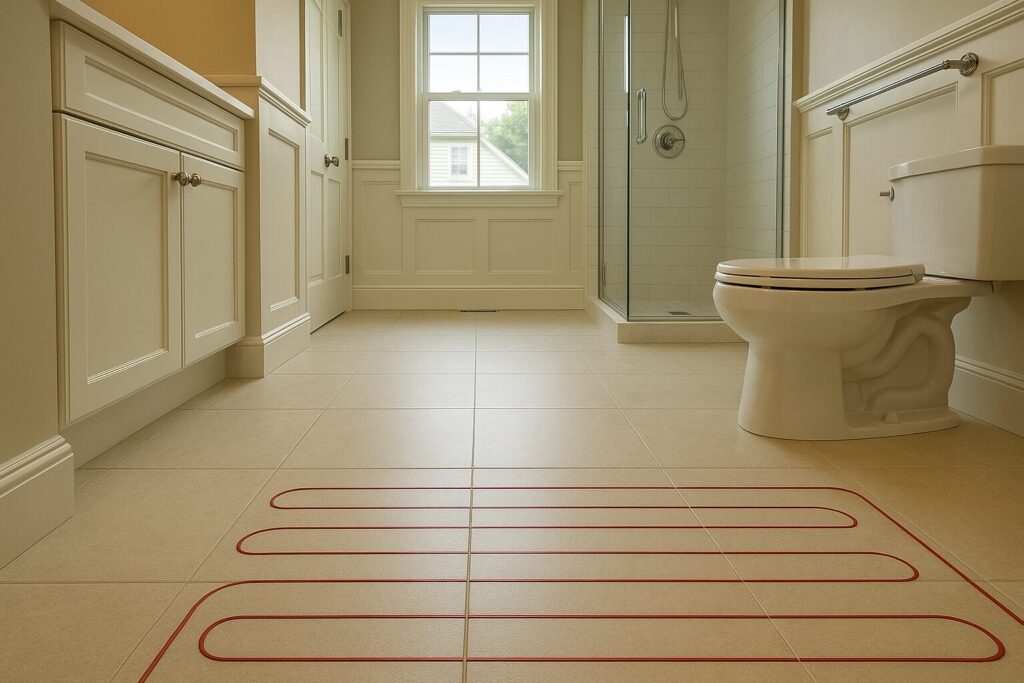
Designing an Aging-in-Place Bathroom Without Sacrificing Style Introduction Create a safe, accessible bathroom that grows with you while maintaining the elegance and sophistication you love. At Golden Hammer Remodeling, we understand that planning for the future doesn’t mean compromising on style today. Throughout Newton, Lexington, and the greater Boston area, we’ve helped homeowners create beautiful, accessible bathrooms that seamlessly blend safety features with sophisticated design. Aging-in-place renovations require thoughtful planning that addresses both current needs and future considerations, ensuring your bathroom remains functional and beautiful for decades to come. The key lies in selecting universal design elements that enhance accessibility while maintaining the aesthetic appeal that makes your home uniquely yours. By incorporating smart design choices and high-quality materials, we create spaces that feel luxurious and welcoming rather than clinical or institutional. Modern aging-in-place design has evolved far beyond grab bars and raised toilet seats. Today’s accessible bathrooms feature elegant solutions that enhance both safety and style, creating spaces that appeal to users of all ages and abilities. When executed properly, these renovations often increase home value while providing peace of mind for the future. 1. No View Out The centerpiece of most aging-in-place bathroom renovations is the conversion from a traditional tub-shower combination to a spacious walk-in shower. This transformation not only eliminates the barrier of stepping over a tub edge but also creates a more open, spa-like atmosphere that enhances the overall bathroom experience. At Golden Hammer Remodeling, we design walk-in showers with zero-threshold entries, allowing for seamless access that accommodates wheelchairs, walkers, or simply provides easier entry for anyone with mobility concerns. The key to successful implementation lies in proper floor preparation and drainage design. We typically install linear drains positioned along the back wall or create subtle floor slopes that direct water efficiently while maintaining a level entry point. Shower Dimensions and Design Shower dimensions play a crucial role in both functionality and aesthetics. We recommend minimum interior dimensions of 36 by 36 inches for basic accessibility, though 42 by 60 inches provides optimal comfort and maneuverability. These larger dimensions allow for: • Built-in seating • Multiple shower heads • Comfortable movement within the space • Dramatic design elements like floor-to-ceiling tile installations • Statement walls that become focal points Material Selection for Safety and Style Material selection significantly impacts both safety and style in walk-in showers. Non-slip porcelain tiles with subtle textures provide excellent traction without appearing institutional. Large-format tiles minimize grout lines, creating cleaner aesthetics while reducing maintenance requirements. Natural stone options like honed marble or textured granite offer luxury appeal with appropriate slip resistance when properly sealed and maintained. Built-In Shower Benches Built-in shower benches serve dual purposes as safety features and design elements. We typically construct these from the same materials as shower walls, creating seamless integration that appears intentional rather than retrofitted. Corner benches maximize space efficiency, while full-width benches along back walls provide more seating area and storage opportunities underneath. Proper height placement at 17 to 19 inches accommodates most users comfortably. 2. Strategic Grab Bar Placement and Stylish Options Gone are the days when grab bars meant unsightly institutional hardware that screamed “medical equipment.” Today’s grab bar options include designer finishes, decorative styles, and integrated solutions that enhance bathroom aesthetics while providing essential safety support. Proper Placement Guidelines Proper grab bar placement requires understanding both building codes and user needs. Key placement guidelines include: Horizontal bars positioned 33 to 36 inches above finished floor level Shower areas with bars on both side walls and back walls Multiple support points for entering, exiting, and maneuvering Toilet areas with bars positioned 12 inches from toilet centerline Extensions 24 inches beyond the front edge of the toilet seat Designer Finishes and Styles At Golden Hammer Remodeling, we source grab bars in finishes that complement existing bathroom hardware, including: • Brushed nickel • Oil-rubbed bronze • Polished chrome • Matte black options Decorative grab bars with curved profiles, textured grips, or integrated towel bar functions blend seamlessly with traditional bathroom accessories. Some manufacturers offer grab bars that double as towel bars, soap dispensers, or even decorative wall elements. Structural Considerations Structural considerations are paramount for grab bar installation. All bars must anchor into solid wood framing or use appropriate blocking installed during construction. We typically install 2×8 or 2×10 blocking between wall studs during the framing phase, ensuring grab bars can support the required 250-pound load capacity. 3. Comfort Height Fixtures and Ergonomic Design Comfort height toilets, also known as ADA-compliant or universal height toilets, represent one of the most impactful aging-in-place upgrades available. These fixtures position the seat 17 to 19 inches above the floor, compared to standard toilets at 15 inches, making sitting and standing significantly easier for users with mobility limitations or joint issues. Universal Appeal The benefits of comfort height toilets extend beyond accessibility considerations. Many users find the taller height more comfortable for daily use, regardless of age or mobility status. This universal appeal makes comfort height toilets an excellent choice for guest bathrooms and powder rooms where diverse users may benefit from the enhanced ergonomics. Wall-Mounted Systems At Golden Hammer Remodeling, we recommend wall-mounted toilet systems for ultimate flexibility in height adjustment and easier floor cleaning. These systems allow precise height customization during installation and create a floating appearance that enhances the sense of space in smaller bathrooms. Vanity Height Considerations Vanity height considerations parallel toilet height adjustments. Standard vanities at 30 to 32 inches often require users to bend uncomfortably, particularly for daily grooming tasks. Comfort height vanities at 34 to 36 inches provide better ergonomics for most users. 4. Lighting Design for Safety and Ambiance Proper lighting becomes increasingly important as we age, with older adults typically requiring two to three times more light than younger individuals to perform the same tasks safely. Aging-in-place bathroom lighting must address both functional needs and aesthetic desires, creating well-lit spaces that remain beautiful and relaxing. Layered Lighting Approach Layered lighting approaches provide the most effective solutions
Top Remodeling ROI Projects for Boston’s Historic Homes (Kitchen & Bath Edition)
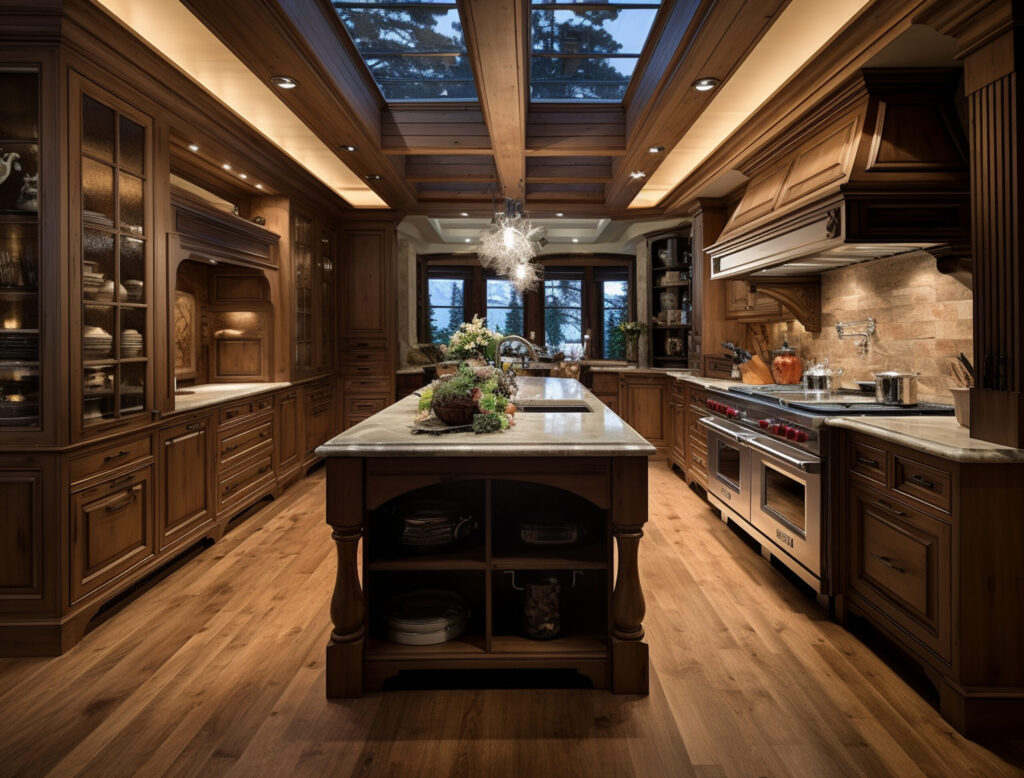
Top Remodeling ROI Projects for Boston’s Historic Homes (Kitchen & Bath Edition) Maximize your investment returns while preserving the character that makes Boston’s historic homes so desirable. At Golden Hammer Remodeling, we understand that owning a historic home in Boston, Cambridge, or the surrounding suburbs is both a privilege and a responsibility. These architectural treasures require thoughtful renovation approaches that respect their heritage while meeting modern living standards. When it comes to return on investment, kitchen and bathroom renovations consistently deliver the highest value in historic properties, but the key lies in executing these projects in ways that enhance rather than compromise your home’s period character. Smart renovation choices can significantly increase your home’s market value while improving your daily quality of life, making these projects true win-win investments. The Boston area’s competitive real estate market particularly rewards well-executed renovations that maintain architectural integrity while providing modern functionality. Understanding which projects deliver the best returns helps you prioritize your renovation budget for maximum impact. 1. Kitchen Renovations: The Crown Jewel of ROI Projects Kitchen renovations consistently rank as the highest-return investment in historic homes, typically recouping 70-85% of costs in the Boston market when executed thoughtfully. The key to maximizing ROI in historic kitchen renovations lies in balancing period authenticity with modern functionality. At Golden Hammer Remodeling, we’ve found that kitchens featuring traditional design elements—such as Shaker-style cabinetry, farmhouse sinks, and classic subway tile—appeal to buyers who specifically seek historic properties while satisfying modern cooking and entertaining needs. Cabinet selection dramatically impacts both cost and return. Custom cabinetry designed to match your home’s period can cost $15,000-$30,000 but often recoups 80-90% of investment in historic properties. Semi-custom options with period-appropriate door styles and hardware can provide similar aesthetic impact at lower cost, typically recouping 75-85% of investment. Appliance integration is crucial for maintaining period character while providing modern convenience. Panel-ready appliances that can be concealed behind cabinet fronts preserve the historic aesthetic while offering contemporary functionality. Professional-grade ranges in classic styles, such as those from AGA or Viking, often become selling points that distinguish your property in the market. Countertop choices significantly impact both aesthetics and ROI. Natural materials like marble, granite, or butcher block complement historic architecture while providing durability and timeless appeal. Carrara marble, in particular, has strong historical precedent and typically provides excellent returns in period properties. 2. Primary Bathroom Renovations: Luxury That Pays Back Primary bathroom renovations in historic homes typically return 65-80% of investment while dramatically improving daily comfort and home marketability. Period-appropriate fixtures and finishes are essential for maximizing ROI in historic bathroom renovations. Clawfoot tubs, pedestal sinks, and traditional tile patterns resonate with buyers seeking authentic historic character. At Golden Hammer Remodeling, we source reproduction fixtures that provide period authenticity with modern plumbing efficiency. Shower installations require careful planning in historic homes but provide significant value returns. Walk-in showers with period-appropriate tile work and fixtures can increase bathroom functionality while maintaining historic character. Glass enclosures with minimal hardware preserve sight lines and make spaces feel larger—important considerations in often-compact historic bathrooms. Flooring choices dramatically impact both aesthetics and returns. Traditional materials like marble, ceramic tile, or period-appropriate patterns provide authenticity while offering durability. Hexagonal tile, subway tile, and basket-weave patterns all have historical precedent and appeal to buyers seeking period character. Lighting and ventilation improvements often provide returns beyond their cost by addressing common issues in historic homes. Period-appropriate sconces, chandeliers, and pendant lights enhance ambiance while modern ventilation systems prevent moisture issues that can damage historic materials. Storage solutions must balance period authenticity with modern needs. Built-in linen closets, medicine cabinets with period-appropriate mirrors, and vanities with traditional styling provide necessary storage while maintaining historic character. 3. Powder Room Updates: Small Spaces, Big Impact Powder room renovations offer exceptional ROI potential, often returning 80-100% of investment due to their relatively low cost and high impact on buyer perception. In historic homes, powder rooms provide opportunities to showcase period character in concentrated doses. Bold wallpaper patterns, period-appropriate fixtures, and traditional materials can create memorable impressions that influence buyer decisions. At Golden Hammer Remodeling, we often recommend powder rooms as places to incorporate more adventurous design choices that reflect your home’s era. Fixture selection in powder rooms can make dramatic statements without major investment. A beautiful pedestal sink, period-appropriate mirror, and traditional sconces can transform a basic powder room into a showcase space for under $5,000 while providing significant perceived value. Lighting improvements in powder rooms often provide returns far exceeding their cost. Many historic homes have inadequate powder room lighting, and upgrading to period-appropriate fixtures with proper illumination levels creates immediate impact for relatively modest investment. Flooring updates in powder rooms allow for higher-end materials at lower total cost due to small square footage. Marble, decorative tile, or high-quality luxury vinyl in period-appropriate patterns can provide luxury impact without major budget impact. 4. Secondary Bathroom Renovations: Balancing Budget and Impact Secondary bathroom renovations typically return 60-75% of investment while addressing practical needs that significantly impact daily living quality. In historic homes with multiple bathrooms, secondary bath renovations often focus on improving functionality while maintaining period character. These projects typically cost less than primary bathroom renovations but still provide substantial value returns when executed thoughtfully. Tub-to-shower conversions in secondary bathrooms often provide excellent ROI, particularly in homes with multiple bathrooms. Modern families frequently prefer shower convenience, and well-designed shower installations can increase functionality while maintaining period-appropriate aesthetics. Vanity updates in secondary bathrooms provide significant impact for modest investment. Replacing builder-grade vanities with period-appropriate styles, adding storage, and improving lighting can transform these spaces for $3,000-$8,000 while providing strong returns. Tile and fixture updates can refresh secondary bathrooms without major renovation. Strategic updates like new tile surrounds, period-appropriate fixtures, and improved lighting can provide fresh, updated looks while maintaining historic character. 5. Kitchen Island Additions: Modern Function, Historic Style Kitchen island additions in historic homes can provide exceptional ROI when designed to complement period architecture while adding modern functionality. Islands designed with period-appropriate details—such as traditional millwork, furniture-style
Open-Concept Kitchen Remodels: Balancing Flow and Function in New England Homes
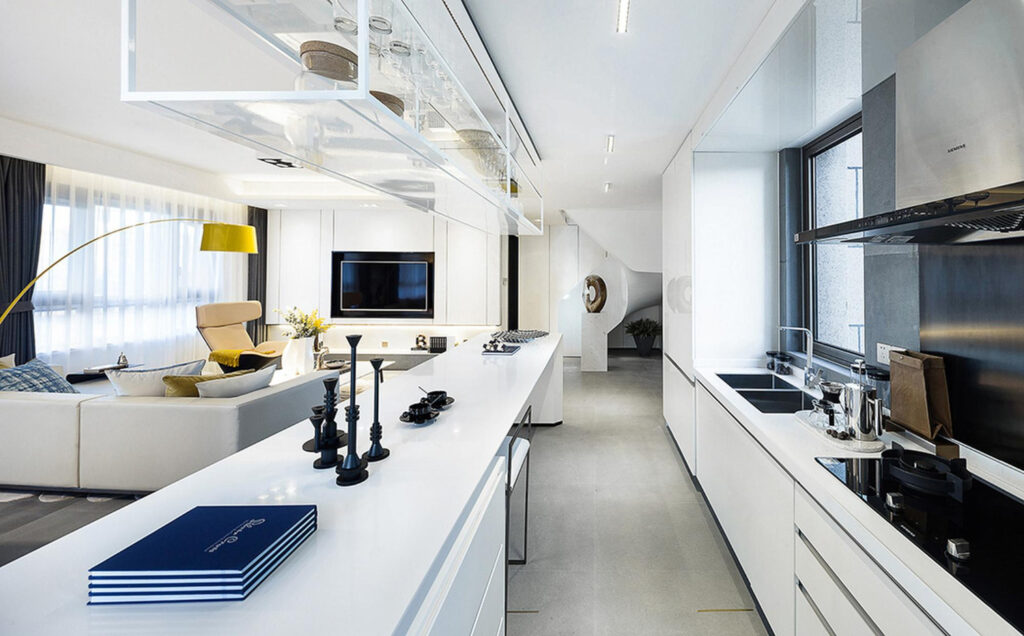
Open-Concept Kitchen Remodels: Balancing Flow and Function in New England Homes Transform your traditional New England home with an open-concept kitchen that honors architectural heritage while embracing modern living. At Golden Hammer Remodeling, we’ve helped countless homeowners in Lexington, Newton, and throughout the Boston metro area navigate the exciting challenge of creating open-concept kitchens in traditional New England homes. These classic homes, with their compartmentalized layouts and period details, weren’t originally designed for today’s open-living preferences. However, with thoughtful planning and expert execution, we can create flowing, functional spaces that respect your home’s architectural integrity while meeting your family’s modern lifestyle needs. The key lies in understanding how to remove walls safely, maintain structural integrity, and create seamless transitions that feel both spacious and intimate. Opening up your kitchen isn’t just about removing walls—it’s about reimagining how your family lives, entertains, and connects in your home. When done correctly, an open-concept kitchen becomes the heart of your home, facilitating conversation and connection while maintaining the distinct zones necessary for efficient cooking and comfortable living. 1. Structural Considerations for New England Homes Before any walls come down, understanding your home’s structural system is crucial for a successful open-concept renovation. Many New England homes built before 1950 feature load-bearing walls that require careful engineering solutions. At Golden Hammer Remodeling, we always begin with a thorough structural assessment by licensed engineers. Traditional New England construction often includes center bearing walls that support floor joists above, and removing these walls requires installing beams or other structural supports. The good news is that exposed beams can become beautiful architectural features that add character to your open space. Post-and-beam construction, common in older New England homes, actually lends itself well to open-concept renovations. These homes were built with substantial structural timbers that often allow for more flexibility in wall removal than modern stick-frame construction. However, each home is unique, and proper engineering ensures your renovation is both safe and successful. Foundation considerations are particularly important in older homes. We often need to add support posts or modify basement areas to accommodate new structural loads. These modifications can usually be integrated seamlessly into your basement finishing plans, creating additional value throughout your home. Working with local building codes and permit requirements is essential. Massachusetts building codes have specific requirements for structural modifications, and our experience with local building departments ensures smooth permit approval and inspection processes. 2. Creating Defined Zones Within Open Spaces One of the biggest challenges in open-concept design is maintaining functional separation between cooking, dining, and living areas while preserving the sense of openness that makes these layouts so appealing. Kitchen islands serve as natural boundaries between cooking and living spaces while providing additional storage, seating, and work surface. At Golden Hammer Remodeling, we design islands that are proportional to your space—typically 4 to 6 feet long in most New England homes—and position them to facilitate traffic flow while defining the kitchen zone. Ceiling treatments can subtly define different areas without creating physical barriers. Coffered ceilings over dining areas, exposed beams over kitchens, or tray ceilings in living spaces create visual separation while maintaining openness. These treatments work particularly well in homes with 9-foot or higher ceilings, common in many New England colonials and Victorians. Flooring transitions can also define spaces effectively. Hardwood in living and dining areas with tile or luxury vinyl in the kitchen creates practical boundaries while maintaining visual flow. We often recommend using complementary materials—such as wide-plank oak throughout with a herringbone pattern in the kitchen—to create subtle definition. Furniture placement becomes crucial in open-concept spaces. Strategic positioning of sofas, dining tables, and bar stools helps define functional zones while maintaining sight lines and conversation flow. Built-in banquettes or window seats can provide additional seating while creating natural room divisions. 3. Maintaining Period Character in Modern Layouts New England homes are beloved for their architectural character, and successful open-concept renovations preserve and celebrate these historic details rather than eliminating them. Original millwork, including door and window casings, baseboards, and crown molding, should be preserved and extended into newly opened spaces. At Golden Hammer Remodeling, we often salvage original trim pieces and have them replicated by skilled craftsmen to maintain consistency throughout the expanded space. Exposed structural elements can become focal points rather than obstacles. Original hand-hewn beams, brick chimneys, and stone foundations add texture and history to open-concept spaces. We often highlight these features with strategic lighting and complementary finishes that celebrate their craftsmanship. Window configurations in older homes can present challenges in open-concept designs, but they also provide opportunities for creative solutions. Mismatched window heights or styles can be unified through consistent trim treatments or interior shutters that create visual harmony while preserving original openings. Fireplaces often become central features in open-concept spaces. Original brick or stone fireplaces can be restored and highlighted, while their mantels and surrounds provide natural focal points that anchor seating areas within the larger space. 4. Kitchen Design Strategies for Open Layouts Designing the kitchen portion of an open-concept space requires balancing functionality with aesthetics, ensuring the kitchen works efficiently while looking beautiful from every angle in the connected spaces. The kitchen work triangle becomes even more important in open layouts, where cooking activities are visible from living and dining areas. We design efficient triangles that minimize cross-traffic while keeping the kitchen functional and organized. This often means positioning the sink to face the living area, allowing the cook to interact with family and guests. Storage solutions must be both functional and attractive since kitchen storage is visible from throughout the open space. We recommend a mix of closed and open storage, with frequently used items in closed cabinets and attractive dishes or glassware displayed on open shelves. Pantry storage becomes crucial, and we often design walk-in pantries or tall pantry cabinets that keep clutter hidden. Appliance selection and placement require careful consideration in open layouts. Quiet operation becomes essential for dishwashers and range hoods, while appliance finishes should complement the overall design
Designing an Aging-in-Place Bathroom Without Sacrificing Style

Designing an Aging-in-Place Bathroom Without Sacrificing Style Create a safe, accessible bathroom that grows with you while maintaining the elegance and sophistication you love. At Golden Hammer Remodeling, we understand that planning for the future doesn’t mean compromising on style today. Aging-in-place bathroom design has evolved far beyond institutional-looking grab bars and clinical aesthetics. Today’s accessible bathrooms seamlessly blend safety features with sophisticated design elements, creating spaces that are both beautiful and functional for users of all ages and abilities. Whether you’re proactively planning for your golden years or adapting your Newton home for a family member with mobility challenges, thoughtful design can create a bathroom that feels luxurious while providing the accessibility features you need. The key to successful aging-in-place design lies in understanding that accessibility and style are not mutually exclusive. With careful planning and the right design choices, your bathroom can be a stunning retreat that happens to include features that make daily routines safer and more comfortable as you age. 1. Universal Design Principles That Enhance Beauty Universal design principles form the foundation of any successful aging-in-place bathroom, but these guidelines can actually enhance rather than detract from your bathroom’s aesthetic appeal. Wide doorways and clear floor space don’t just accommodate wheelchairs and walkers—they create an open, spacious feeling that makes any bathroom feel more luxurious. At Golden Hammer Remodeling, we recommend 36-inch doorways and turning spaces of at least 60 inches in diameter. These generous proportions create a sense of grandeur that rivals high-end hotel bathrooms. Lever-style door handles and faucets are easier to operate than traditional knobs, but they also offer a sleek, contemporary look that elevates your bathroom’s design. Similarly, rocker-style light switches provide a modern aesthetic while being easier to operate with limited dexterity. The principle of “one-level living” can be beautifully implemented through curbless shower designs that create seamless transitions between spaces. These barrier-free showers not only eliminate tripping hazards but also create visual continuity that makes your bathroom appear larger and more sophisticated. 2. Stylish Safety Features That Don’t Look Medical The biggest misconception about aging-in-place design is that safety features must look institutional. Today’s manufacturers offer grab bars, shower seats, and other accessibility features in finishes and styles that complement any design aesthetic. Grab bars are now available in oil-rubbed bronze, brushed gold, matte black, and countless other finishes that can match your existing fixtures. At Golden Hammer Remodeling, we often specify decorative grab bars that double as towel bars or toilet paper holders, seamlessly integrating safety into the overall design. Vertical grab bars can be designed to look like architectural elements, while horizontal bars can appear to be intentional design features. Shower benches and seats have evolved from basic plastic accessories to beautiful built-in features crafted from natural stone, teak, or tile that matches your shower walls. A well-designed shower bench can serve as a design focal point while providing a safe place to sit during bathing. Non-slip flooring no longer means sacrificing style for safety. Modern textured tiles, natural stone with honed finishes, and slip-resistant luxury vinyl planks offer excellent traction while maintaining sophisticated appearances. We often recommend larger format tiles with minimal grout lines for easier cleaning and a more seamless look. 3. Smart Storage Solutions for Accessibility Accessible storage doesn’t mean everything must be at counter height. Strategic storage planning can actually improve your bathroom’s organization while ensuring frequently used items remain within easy reach. Pull-down shelving systems allow you to store items at various heights while bringing them down to a comfortable level when needed. These systems work particularly well in medicine cabinets and linen closets, maintaining clean lines while maximizing accessibility. Drawer-style vanities offer easier access than traditional cabinets with doors, and they can be designed with varying heights to accommodate different users. At Golden Hammer Remodeling, we often design vanities with a combination of standard-height and seated-height sections, creating visual interest while serving multiple users. Open shelving can provide easy access to frequently used items while creating opportunities for decorative display. Floating shelves at various heights can accommodate different users while adding architectural interest to your bathroom walls. Consider incorporating pull-out organizers, lazy Susans, and other adaptive storage solutions that make accessing items easier while keeping your bathroom clutter-free and visually appealing. 4. Lighting Design for Safety and Ambiance Proper lighting becomes increasingly important as we age, but good lighting design also enhances the beauty and functionality of any bathroom. Layered lighting approaches work best for aging-in-place bathrooms. Ambient lighting provides overall illumination, task lighting focuses on specific activities like grooming, and accent lighting creates visual interest and depth. This multi-layered approach ensures adequate light levels while creating a sophisticated atmosphere. Motion-sensor lighting can provide safety benefits by automatically illuminating pathways during nighttime visits, but these systems can be designed to be virtually invisible during the day. Under-cabinet lighting, toe-kick lighting, and recessed floor lights can guide movement safely while adding dramatic design elements. Dimmer controls allow you to adjust lighting levels throughout the day, providing bright task lighting when needed and softer ambient lighting for relaxation. Smart lighting systems can be programmed to gradually increase brightness in the morning and dim in the evening, supporting natural circadian rhythms. 5. Flooring and Surface Choices That Combine Safety with Style The right flooring and surface materials can provide safety benefits while contributing to your bathroom’s overall aesthetic appeal. Natural stone with honed or textured finishes offers excellent slip resistance while maintaining the luxury appeal of marble or granite. Limestone, travertine, and slate can all be treated to provide safe surfaces without sacrificing their natural beauty. Large-format porcelain tiles with subtle textures provide slip resistance while creating clean, contemporary looks. These tiles can mimic natural materials like wood or stone while offering superior durability and easier maintenance. For shower areas, smaller mosaic tiles naturally provide more grout lines for traction, and they can be arranged in beautiful patterns that become design focal points. Penny tiles, hexagonal mosaics, and linear patterns
7 Smart Home Features to Include in Your Next Remodeling Project

7 Smart Home Features to Include in Your Next Remodeling Project Get the most out of your renovation by incorporating these cutting-edge technologies that enhance comfort, security, and efficiency. At Golden Hammer Remodeling, we understand that a modern home is more than just beautiful design—it’s about creating spaces that work smarter for you. Today’s remodeling projects increasingly include smart home technology that can transform how you interact with your living environment. From enhanced security to energy savings, these innovations offer convenience and peace of mind that traditional homes simply can’t match. Whether you’re planning a complete home renovation or updating specific rooms, integrating smart features during your remodel is more cost-effective than adding them later. Here are seven smart home technologies that can elevate your remodeling project to the next level. 1. Integrated Smart Lighting Systems Smart lighting goes far beyond the novelty of changing colors with your voice. A properly designed smart lighting system can transform your home’s ambiance, security, and energy efficiency. When remodeling with Golden Hammer, we recommend installing smart switches rather than just smart bulbs for a more seamless experience. This allows you to control your lighting through traditional wall switches, smartphone apps, or voice commands. Motion sensors can be strategically placed to automatically illuminate pathways at night, while programmable scenes can adjust multiple lights simultaneously for different activities or times of day. For maximum impact, consider recessed lighting with smart RGB capabilities in main living areas. These can be tuned to different color temperatures—cooler, energizing light during the day and warmer, relaxing tones in the evening—to support your body’s natural circadian rhythm. 2. Intelligent Climate Control Smart thermostats have evolved significantly beyond simple programming. Today’s systems learn your preferences and adjust automatically to optimize both comfort and energy usage. During your remodel, we can install zoned HVAC systems that pair with smart thermostats to control temperatures in different areas of your home independently. This prevents energy waste by heating or cooling only the spaces you’re using. Some advanced systems even incorporate occupancy sensors that detect which rooms are being used and adjust accordingly. For the ultimate in climate control, consider adding smart ceiling fans and motorized window treatments that work in concert with your HVAC system. These can automatically adjust based on time of day, temperature, and sunlight to maintain ideal conditions while minimizing energy consumption. 3. Comprehensive Security Integration Home security is no longer limited to a basic alarm system. Today’s smart security solutions offer comprehensive protection that you can monitor and control from anywhere. During your remodeling project, we can seamlessly integrate doorbell cameras, motion sensors, and smart locks into your home’s design. These devices not only enhance security but also add convenience—imagine never having to wonder if you locked the door or being able to let in a service provider remotely. For a truly integrated approach, we recommend systems that connect all security elements, allowing them to work together. For example, motion detection can trigger lights to turn on and cameras to begin recording, while sending an alert to your phone. This level of integration is much easier to achieve during a remodel when walls are open and new wiring can be installed. 4. Voice-Controlled Home Automation Hub A central home automation hub serves as the command center for your smart home, allowing different devices and systems to communicate with each other. When planning your remodel with Golden Hammer, we’ll help you select the right platform for your needs and ensure that all your smart devices are compatible. Popular options include Amazon Alexa, Google Home, and Apple HomeKit, each with their own strengths and compatible devices. The key to a successful smart home is thoughtful placement of voice controllers throughout your home. During your remodel, we can install in-wall or ceiling-mounted microphones and speakers that blend seamlessly with your décor while providing convenient voice control in every room. 5. Smart Kitchen Appliances The kitchen remains the heart of the home, and smart appliances can make this busy space more efficient and enjoyable to use. Modern smart refrigerators can track inventory, suggest recipes based on available ingredients, and even allow you to see inside remotely while grocery shopping. Smart ovens can be preheated on your commute home and can adjust cooking methods automatically for perfect results. During your kitchen remodel with Golden Hammer, we’ll ensure proper power requirements and connectivity for these advanced appliances. We can also incorporate charging stations and dedicated spaces for tablets or displays that control your smart kitchen ecosystem. 6. Bathroom Technology Upgrades Bathrooms are increasingly becoming high-tech sanctuaries, with smart features that enhance comfort and efficiency. Smart showers can be programmed to your preferred temperature and flow rate, starting automatically at your usual shower time. Digital faucets offer touchless operation and can dispense precise amounts of water at specific temperatures. For the ultimate luxury, consider smart toilets with heated seats, automatic flushing, and built-in bidets. When remodeling your bathroom with Golden Hammer, we can install proper electrical and plumbing connections for these advanced fixtures, as well as waterproof voice controllers for a truly hands-free experience. 7. Energy Management Systems Perhaps the most practical smart home feature is a comprehensive energy management system that helps reduce utility bills while increasing comfort. Smart electrical panels can monitor energy usage by circuit, identifying energy hogs and potential problems before they become serious. Solar integration with battery storage can be controlled intelligently to maximize self-consumption of renewable energy. During your remodel, Golden Hammer can install the necessary infrastructure for these systems, including upgraded electrical panels and dedicated circuits for high-demand smart devices. We can also incorporate energy-efficient LED lighting throughout your home that integrates with your smart system for additional savings. At Golden Hammer Remodeling, we believe that smart home technology should enhance your lifestyle without adding complexity. Our approach integrates these features seamlessly into your home’s design, ensuring they’re intuitive to use and reliable for years to come. By incorporating these technologies during your remodel rather than as
Maximizing Small Spaces: Expert Solutions for Compact Bathrooms and Kitchens

Maximizing Small Spaces: Expert Solutions for Compact Bathrooms and Kitchens Transform your tiny rooms into functional, stylish spaces with these proven design strategies from Golden Hammer Remodeling. At Golden Hammer Remodeling, we understand that not every home is blessed with sprawling kitchens and spa-like bathrooms. However, limited square footage doesn’t mean you have to compromise on style or functionality. With thoughtful design and strategic planning, even the smallest spaces can be transformed into efficient, beautiful areas that meet all your needs. Whether you’re dealing with a galley kitchen in a city apartment or a powder room that barely fits the essentials, our team has developed innovative approaches to maximize every inch. Here’s how to make your compact spaces feel larger, work harder, and look better than ever before. 1. Strategic Layout Planning The foundation of any successful small space remodel begins with a carefully considered layout. In compact areas, every inch matters. For kitchens, the classic work triangle (connecting the refrigerator, sink, and stove) becomes even more crucial in limited spaces. At Golden Hammer Remodeling, we often recommend galley layouts or L-shaped designs that maximize corner spaces. Sometimes, removing a non-structural wall to create a more open concept can make a kitchen feel significantly larger without actually increasing its footprint. In small bathrooms, consider whether a traditional swing door is the best use of space. Pocket doors or barn-style sliding doors can free up valuable floor area. Similarly, corner sinks or toilets can help utilize otherwise awkward spaces. We’ve found that moving plumbing fixtures even a few inches can sometimes create room for additional storage or a more comfortable layout. Before finalizing any design, we create detailed floor plans and 3D renderings to ensure every square inch is optimized. This planning phase is where the magic happens—finding those extra few inches that make all the difference in functionality. 2. Vertical Storage Solutions When floor space is limited, the key is to think upward. Utilizing vertical space effectively can double or even triple your storage capacity. In kitchens, cabinets that extend to the ceiling provide valuable storage for seasonal items or less frequently used appliances. Magnetic knife strips, hanging pot racks, and wall-mounted spice racks free up drawer and counter space. We often recommend slim pull-out pantries that fit in narrow spaces between appliances or cabinets, providing surprising amounts of storage in otherwise wasted areas. For bathrooms, tall, narrow cabinets can fit in tight corners, while floating shelves above the toilet utilize often-overlooked wall space. Medicine cabinets with mirrored fronts serve dual purposes, and shower niches built into wall cavities keep toiletries organized without protruding into the shower space. At Golden Hammer Remodeling, we custom-design storage solutions that maximize every vertical inch while maintaining a clean, uncluttered aesthetic that makes the space feel larger. 3. Multi-Functional Fixtures and Furniture In small spaces, items that serve multiple purposes are worth their weight in gold. The right multi-functional elements can dramatically increase usability without adding clutter. For kitchens, consider a cutting board that fits over the sink to create extra prep space when needed. Islands on wheels can serve as prep areas, dining tables, or be moved aside when not in use. We often install pull-out countertop extensions that can be tucked away when not needed. In bathrooms, vanities with built-in storage eliminate the need for additional furniture. Wall-mounted toilets with in-wall tanks not only save space but create a cleaner, more modern look. Shower-tub combinations maximize functionality in family bathrooms, while glass shower doors create a sense of openness that curtains cannot match. Our designers excel at finding and customizing multi-purpose elements that perfectly fit your space and lifestyle, ensuring nothing goes to waste. 4. Smart Color and Material Choices The colors and materials you choose can have a profound impact on how spacious a room feels, regardless of its actual dimensions. Light, reflective colors tend to make spaces feel larger and more open. In kitchens, we often recommend white or light-colored cabinets paired with reflective surfaces like glass backsplashes or stainless steel appliances. Continuous flooring that extends from adjoining rooms can create visual flow that expands the perceived space. For bathrooms, large-format tiles with minimal grout lines create a more seamless look that visually expands the space. Carrying the same tile from floor to shower walls can eliminate visual boundaries. Transparent or translucent materials like glass shower enclosures allow the eye to travel through the space rather than stopping at opaque barriers. At Golden Hammer Remodeling, we carefully select color palettes and materials that not only look beautiful but strategically enhance the sense of spaciousness in your compact rooms. 5. Strategic Lighting Design Proper lighting is crucial in small spaces, not just for functionality but for creating a sense of openness and depth. In kitchens, under-cabinet lighting eliminates shadows on work surfaces while adding a layer of illumination that makes the space feel larger. Pendant lights over islands or sinks provide focused task lighting without cluttering visual space. Recessed ceiling lights offer even illumination without protruding into the room. For bathrooms, sconces on either side of the mirror provide even facial lighting while adding visual interest. Recessed shower lights ensure this often-dark area feels bright and spacious. Where possible, we recommend maximizing natural light with larger windows or skylights, perhaps the most effective way to make a small space feel more expansive. Our lighting designs always incorporate multiple layers—ambient, task, and accent—to create depth and dimension that make compact spaces feel more generous. 6. Space-Saving Appliances and Fixtures Today’s manufacturers offer an impressive array of compact appliances and fixtures specifically designed for small spaces without sacrificing performance. For kitchens, consider 18-inch dishwashers, 24-inch refrigerators, or drawer-style microwaves that can be installed under counters. Induction cooktops heat more efficiently than gas in a smaller footprint. We can help you select appliances that offer the functionality you need while fitting your space constraints. In bathrooms, wall-mounted faucets free up precious counter space, while low-profile toilets and slimmer vanities can